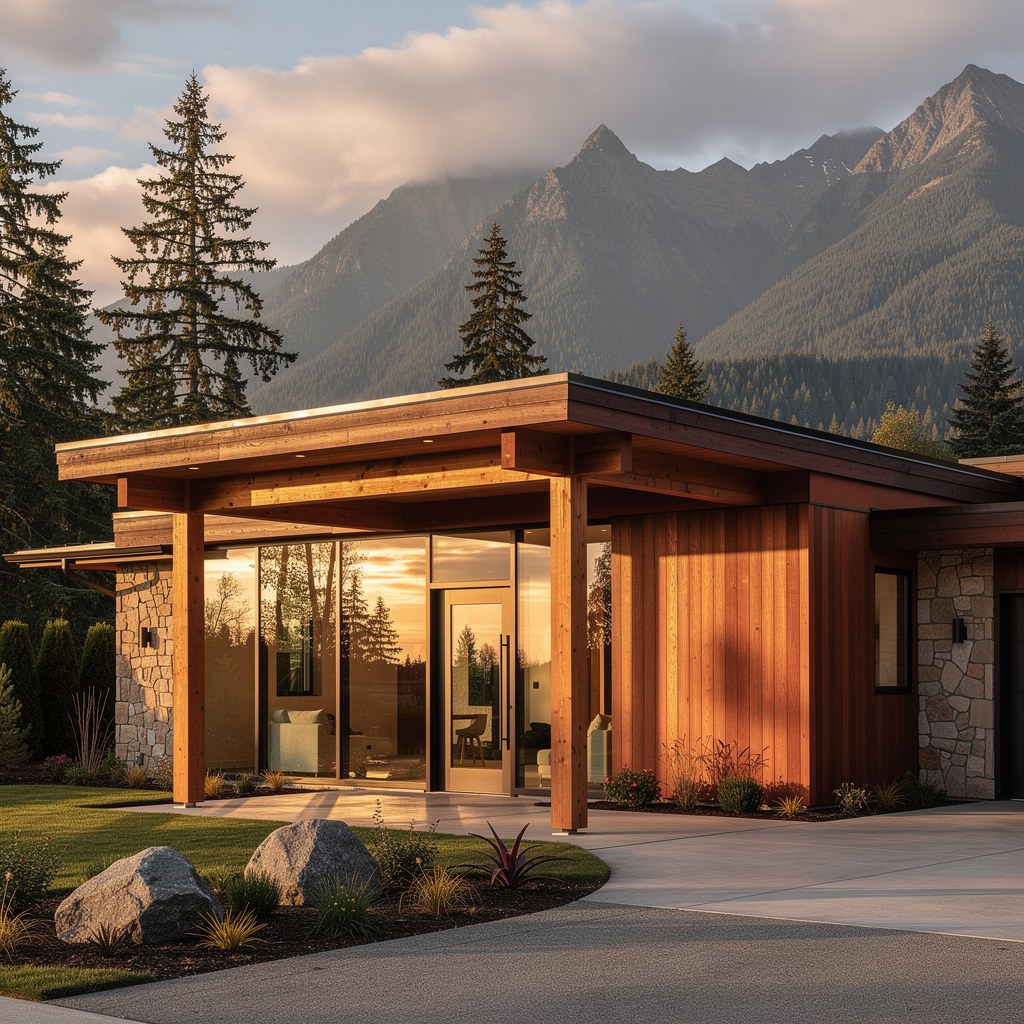
If you've priced out a custom home or major renovation in the last few months, you may have noticed something unsettling: numbers that felt solid in the spring look different by fall. New US tariffs on many Canadian imports are rippling through the construction supply chain, and while the politics are complicated, the impact on your build budget is very real.
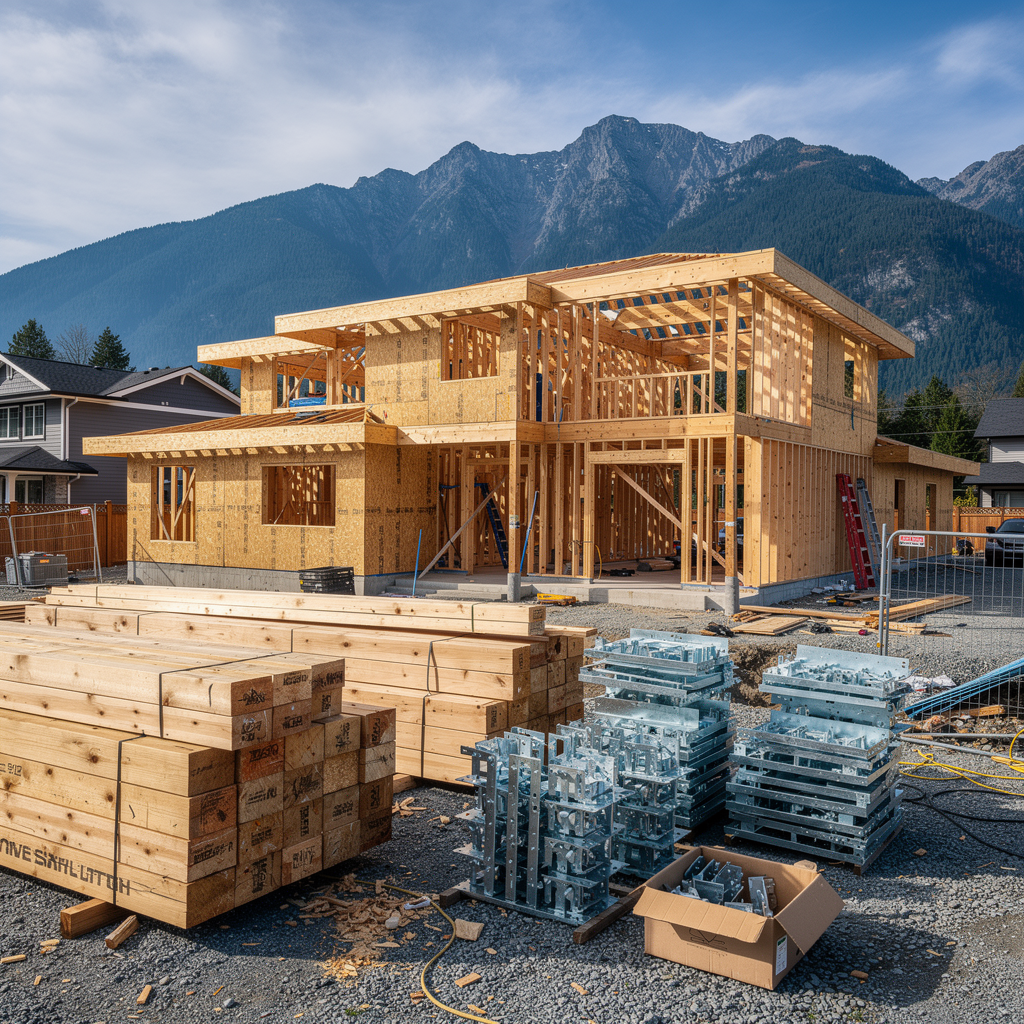
The good news? Homeowners in Vancouver, West Vancouver, North Vancouver, Burnaby, and across the region who plan ahead — and build with a team that understands sourcing, sequencing, and smart substitutions — can still deliver stunning, lasting homes without letting cost volatility derail the project.
Here's what's actually happening, what it means for your project, and how we're helping clients stay ahead of it.
Why Tariffs Are Hitting Home (Literally)
Construction is a cross-border business. Steel connectors, certain engineered wood products, specialty windows, plumbing fixtures, and appliances often cross the 49th parallel more than once before they land on a Metro Vancouver job site. When tariffs raise the cost of raw materials or finished components, that cost doesn't disappear — it moves down the chain to suppliers, then to builders, then to homeowners.
Add to this BC's already tight lumber and skilled-labour market, and you get a construction economy where price stability is the exception, not the rule. This isn't cause for panic, but it is a strong argument for working with a builder who locks in pricing early, sources strategically, and builds contingency into every estimate.
What This Means for Your Custom Home Budget
For a custom home in Metro Vancouver, realistic all-in construction costs currently range from roughly $450 to $650+ per square foot depending on finish level, lot conditions, and municipality — and that range has been drifting upward. On a 3,500 sq. ft. home, even a modest 5-8% material cost increase can add $60,000-$100,000 to the bottom line if it isn't anticipated in the original budget.
The homeowners weathering this best are the ones who build flexibility into their plans from day one:
- Lock in pricing on long-lead items early — windows, custom millwork, and HVAC equipment should be ordered as soon as drawings are finalized, not left until framing is done.
- Build a real contingency — we recommend 10-15% above your target budget in this climate, not the 5% that was standard a few years ago.
- Ask about domestic and BC-sourced alternatives — many premium finishes have Canadian-made equivalents that sidestep tariff exposure entirely, from cabinetry to certain steel products.
- Phase your project where possible — separating structural work from interior finishing can let you make purchasing decisions closer to installation, when you have better pricing visibility.
The Case for Coastal-Smart, Efficient Building
Rising costs make it more important than ever to build things right the first time. In our climate, that means designing for water — always. Metro Vancouver's wet winters demand proper rainscreen wall assemblies, generous roof overhangs, high-performance membrane roofing or standing-seam metal, and careful flashing detail at every window and door. Skipping these details to save money now guarantees far more expensive repairs — rot, mould remediation, envelope failure — in five to ten years.
Similarly, this region sits in a moderate-to-high seismic zone, and BC Building Code seismic provisions aren't optional extras — they're baked into structural design, foundation engineering, and shear wall placement. A well-engineered home isn't just safer; it's also more resilient to the settling and moisture issues that plague poorly built houses on the North Shore's slopes or Richmond's soft soils.
Efficient, code-forward building is also your best hedge against future cost increases. Homes designed with tighter envelopes and better mechanical systems cost more to build today but save significantly on energy and maintenance for decades — a trade worth making when material costs are unpredictable.
Laneway and Legal Suites: Still One of the Smartest Investments
Amid all this cost pressure, laneway houses and legal secondary suites remain one of the most financially sound moves for Metro Vancouver homeowners. Vancouver's laneway house program, along with similar secondary suite and coach house bylaws in Burnaby, Surrey, Coquitlam, Port Coquitlam, and Langley, allow homeowners to add significant rental income or multigenerational living space on an existing lot.
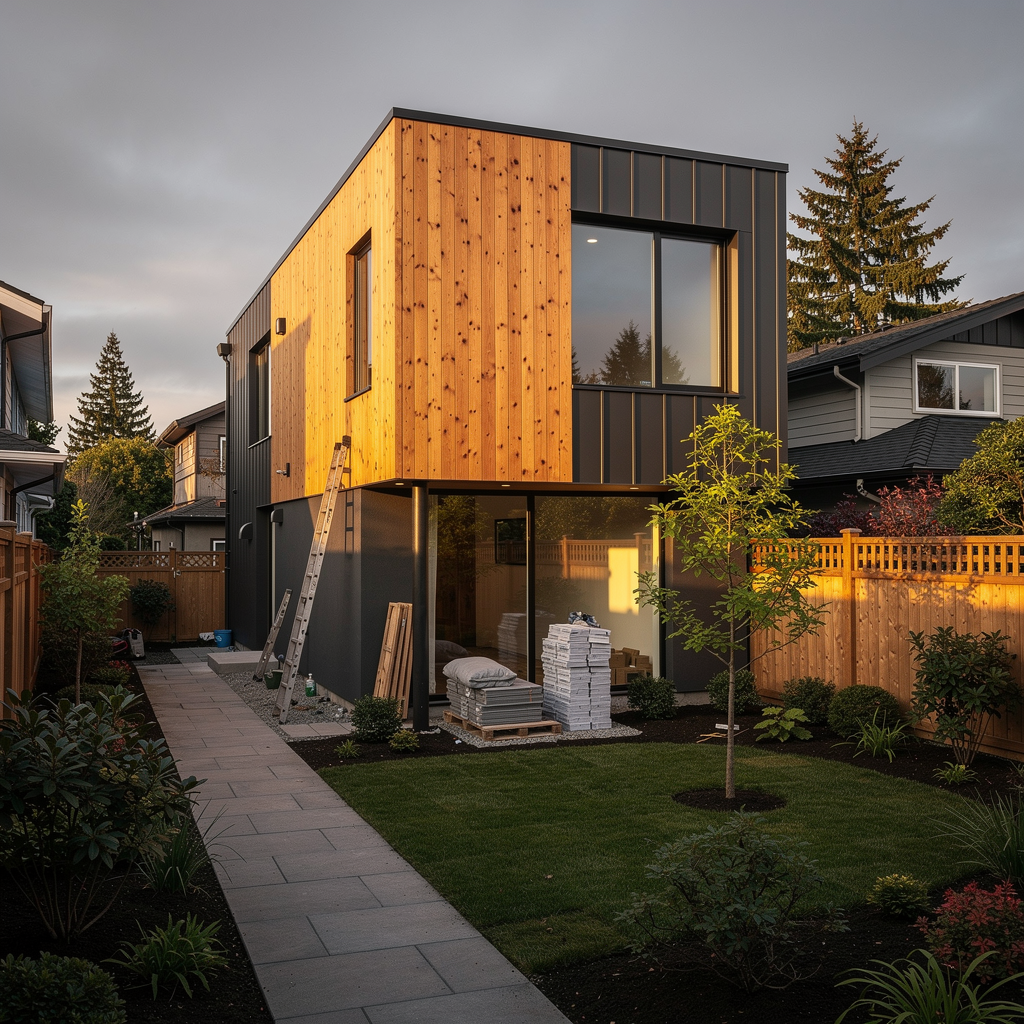
Because laneway homes are smaller in footprint (typically 500-900 sq. ft.), they're less exposed to the sticker shock of large-format material increases, and they're an excellent candidate for modular or panelized construction — a trend gaining real traction as a hedge against tariff volatility and labour shortages.
Modular components are often built in climate-controlled BC facilities, giving tighter cost certainty, faster timelines (sometimes 4-6 months faster than conventional site-built construction), and reduced exposure to weather delays during our long rainy season. For homeowners weighing a laneway suite, this is worth a serious conversation with your builder.
Permits, Timelines, and Realistic Expectations
Whatever you're building, timeline realism matters more than ever. A custom home in the Metro Vancouver region typically takes:
- 3-6 months for design development and permit-ready drawings
- 2-4 months for municipal permit review (longer in Vancouver and West Vancouver, faster in some outlying municipalities)
- 10-16 months for construction, depending on scale and site complexity
Laneway houses and secondary suites move faster — often 8-12 months from permit application to move-in — but permit backlogs are still a factor in several municipalities. Submitting complete, well-engineered drawings the first time avoids costly resubmission cycles, which is especially valuable when every month of delay is a month of exposure to further material cost shifts.
Building Smart in an Unpredictable Market
None of this means custom building or renovating in Metro Vancouver has become a bad idea — quite the opposite. Well-built homes in this region hold and grow their value reliably, and thoughtful design decisions made now can insulate you from a good deal of the volatility making headlines. What it does mean is that the margin for error has narrowed. Working with a builder who tracks material markets, has established supplier relationships, and knows how to sequence a project to protect your budget isn't a luxury right now — it's essential.
At LJH Construction, we build custom homes, renovations, and laneway suites across Vancouver, West Vancouver, North Vancouver, Burnaby, Richmond, Surrey, Delta, Coquitlam, Port Coquitlam, New Westminster, White Rock, and Langley — and we build every budget with today's market realities in mind, not last year's. If you're planning a project and want a clear-eyed, current estimate, contact us for a consultation or explore our pricing guide to start the conversation.
Planning a project in Metro Vancouver?
Get a free, no-obligation quote from LJH Construction.